Table of Contents
What Is Piles (Hemorrhoids)? Symptoms & Care
Understanding what is piles (hemorrhoids) is often the first step toward easing anxiety when you notice discomfort or unexpected bleeding during bowel movements. Piles are simply swollen veins located in the lower rectum or anal canal, similar to varicose veins found in the legs.
In everyday life, these small vascular cushions help control bowel movements. However, when increased pressure causes them to stretch and swell, they become symptomatic. Spotting these signs early allows for simple, effective management under a specialist’s guidance.
What Is Piles (Hemorrhoids)?
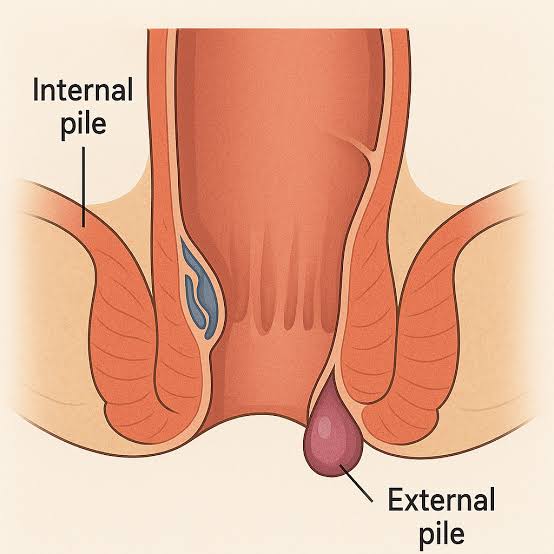
Piles, medically termed hemorrhoids, are swollen or inflamed vascular structures located within the lower rectum and anal canal. They develop when persistent pressure causes the blood vessels in this region to stretch, leading to discomfort, itching, swelling, or painless bright red bleeding during bowel movements.
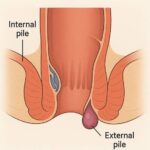
Internal vs. External Piles
To understand how symptoms differ, doctors categorize hemorrhoids based on their location:
- Internal Piles: Located deep inside the rectum where there are few pain-sensing nerves. They frequently cause painless bleeding during bowel movements and may prolapse (protrude through the anal opening) during straining.
- External Piles: Located under the skin around the outer anal opening. Because this area contains sensitive nerve endings, external hemorrhoids often present with visible swelling, irritation, or sharp discomfort, especially when sitting or wiping.
Why This Happens: Common Contributing Factors
Hemorrhoids develop when increased pressure strains the delicate blood vessels surrounding the anal region. In everyday Indian context, several routine factors contribute to this increased pressure:
- Low-Fibre Diets: Diets high in refined grains or lacking leafy greens and legumes lead to hard, dry stools that require excessive straining to pass.
- Sedentary IT & Desk Jobs: Sitting for 8 to 10 hours continuously increases venous pressure in the lower pelvis and slows down natural gut motility.
- Delayed Toilet Habits: Postponing bowel movements due to busy work schedules or embarrassment leads to firmer stools and increased straining later.
- Festive or Monsoonal Dietary Shifts: Sudden increases in oily, heavy foods paired with inadequate fluid intake often cause temporary constipation.
- Pregnancy & Heavy Lifting: Increased abdominal pressure during pregnancy or improper form during heavy weightlifting can strain the pelvic floor vessels.
Common Symptoms of Piles
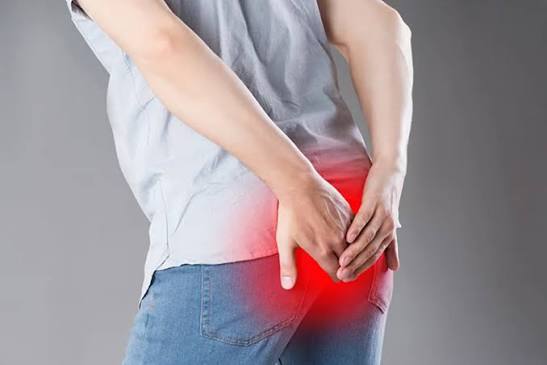
Recognizing symptoms accurately helps avoid misinterpreting minor conditions as severe illnesses. Typical signs include:
- Painless, bright red blood coating the stool or dripping into the toilet bowl.
- A small soft bulge or feeling of fullness near the anal opening.
- Persistent itching, mild irritation, or mucus discharge around the perianal area.
- Discomfort or aching during or immediately following a bowel movement.
How Piles Are Typically Evaluated
Feeling anxious about an anorectal examination is completely normal, but knowing what to expect can ease your mind. Clinical evaluation is straightforward, gentle, and conducted with complete privacy.
- Medical & Symptom Review: Your doctor reviews your symptom timeline, bowel patterns, dietary habits, and fluid intake to pinpoint daily triggers.
- Gentle Physical Examination: A focused external inspection identifies visible inflammation, skin tags, or external swellings while prioritizing patient comfort.
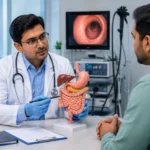
- Anoscopy Assessment: If internal symptoms are present, a short, lubricated instrument called an anoscope is used to inspect the lining of the lower rectum painlessly.
- Clinical Grading: Internal hemorrhoids are graded from Grade I (internal bleeding only) to Grade IV (persistently prolapsed tissue), guiding appropriate treatment selection.
- Personalized Discussion: Your specialist discusses conservative dietary adjustments, prescribed medications, or modern procedure options based on the exact grade of your condition.
Common Misconceptions About Piles
| Misconception | Medical Fact |
| “Piles always require surgery.” | Most early-stage cases respond well to dietary changes, increased hydration, and non-surgical management. |
| “Eating spicy food causes piles directly.” | Spicy food does not create hemorrhoids, though it can irritate existing sensitive or inflamed tissue. |
| “Piles and anal fissures are the same.” | Piles are swollen blood vessels, whereas an anal fissure is a small tear in the lining of the anal canal. |
| “Sitting on cold or hot surfaces triggers piles.” | Surface temperature does not cause hemorrhoids; prolonged sitting duration and straining are the real physical drivers. |
When Should I See a Doctor Urgently?
While many hemorrhoidal symptoms are easily manageable, certain red-flag symptoms require prompt clinical assessment to rule out other digestive issues:
- Continuous, heavy, or dark-colored rectal bleeding.
- Severe, unbearable pain that makes sitting or walking difficult.
- Visible discharge accompanied by sudden swelling or fever.
- Recurrent symptoms that return after previous medical treatment.
- Fever paired with localized anal pain or inflammation.
Professional Anorectal Care at CosmoGut
At CosmoGut, located in Hyderabad, care focuses on providing compassionate, accurate evaluations for all proctological and gut-health concerns. Led by Dr. Raghuteja, Consultant General & Laparoscopic Surgeon, the clinical team normalizes anorectal discussions to ensure every patient feels heard and supported.
Whether you reside in Saidabad, Saroor Nagar, or surrounding Hyderabad areas, consulting a dedicated specialist ensures you receive evidence-based guidance rather than relying on delayed home care or self-diagnosis.
Frequently Asked Questions
Is it normal to feel embarrassed when seeking help for piles?
Yes, feeling hesitant or embarrassed is very common. However, proctologists perform these routine evaluations daily in private, professional environments designed to keep you comfortable.
How do I know if my symptom is a pile or a fissure?
Piles generally present as swollen tissue or painless bright red bleeding. Anal fissures typically cause sharp, cutting pain during bowel movements. A physical check by a doctor is required to differentiate between them clearly.
Can lifestyle changes help manage early-stage piles?
Yes. Increasing daily dietary fibre, drinking adequate water, avoiding prolonged sitting, and not straining on the toilet help manage early-stage symptoms alongside prescribed care.
When should I see a doctor for piles in Hyderabad?
You should schedule a consultation if you notice bleeding, persistent swelling, discomfort, or symptoms that do not improve with basic diet adjustments.
Do internal piles always cause severe pain?
No. Internal piles often cause no pain because the upper anal canal lacks sensitive pain nerves. They are most commonly noticed due to painless bleeding during bowel movements.
What happens during a consultation with Dr. Raghuteja at CosmoGut?
During a consultation, Dr. Raghuteja conducts a thorough symptom review and a gentle, private examination to identify the exact cause and grade of your symptoms before discussing care options.
Can desk jobs worsen piles symptoms?
Yes. Sitting continuously for hours increases pelvic pressure and slows bowel motility. Taking short walking breaks every hour helps alleviate this strain.
Seeking Clarity for Your Symptoms
Anorectal symptoms are common and highly manageable medical conditions that deserve professional attention without shame or worry.
If you are experiencing symptoms or seeking clarity on your gut health, a proper evaluation can bring relief and confidence. Book a consultation with CosmoGut in Hyderabad — call +91 92814 34315 or connect via WhatsApp to schedule an appointment with Dr. Raghuteja today.