Table of Contents
What is Colonoscopy? A Complete Patient Guide to Procedure, Uses, and Care in Hyderabad
If your gastroenterologist or specialist in Hyderabad has recommended an endoscopic evaluation of your lower digestive tract, you likely have questions about what is colonoscopy, how it is performed, and what to expect. A colonoscopy is a safe, routine diagnostic and preventive procedure used worldwide to evaluate the inner lining of the large intestine (colon) and rectum.
In urban hubs like Hyderabad—where sedentary desk jobs, delayed dietary schedules, and processed or low-fibre meals often trigger chronic digestive issues—understanding your gut health is vital. Many individuals delay seeking care for persistent abdominal discomfort, altered bowel habits, or rectal bleeding due to anxiety or embarrassment. Learning how a colonoscopy works can help remove the fear of the unknown and encourage timely medical consultation.
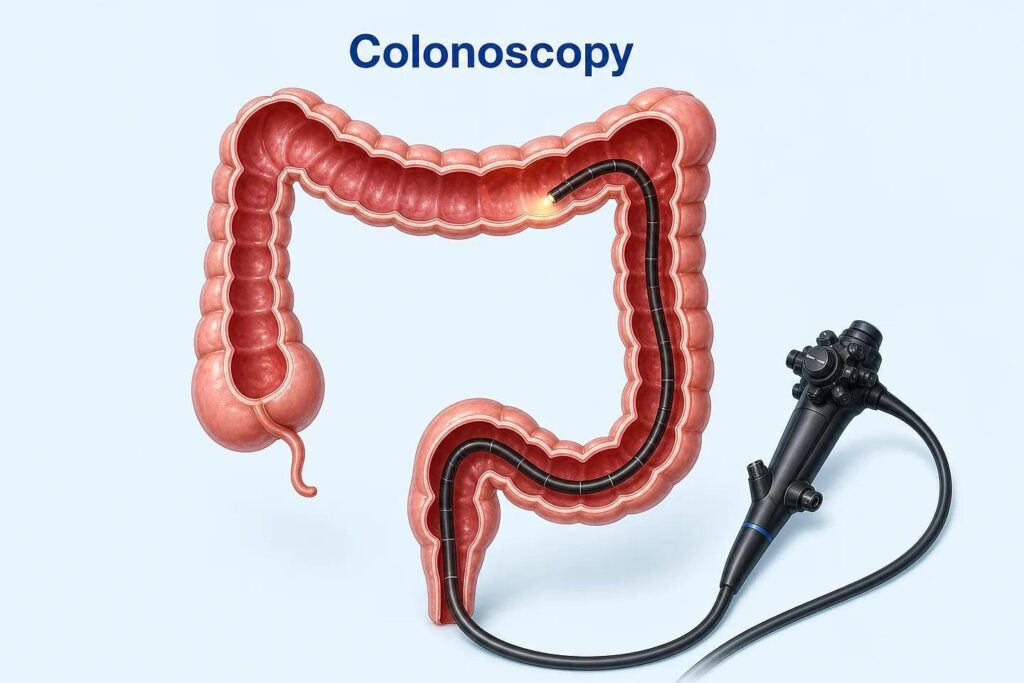
What is Colonoscopy?
What is Colonoscopy and How Does It Work?
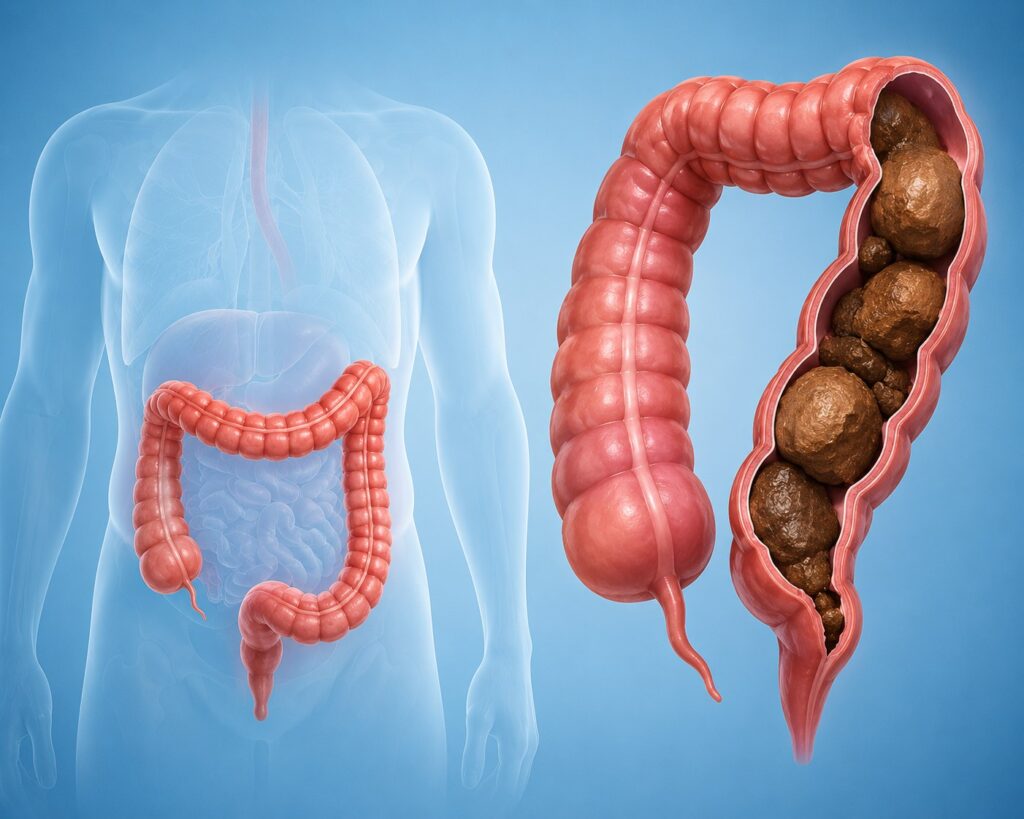
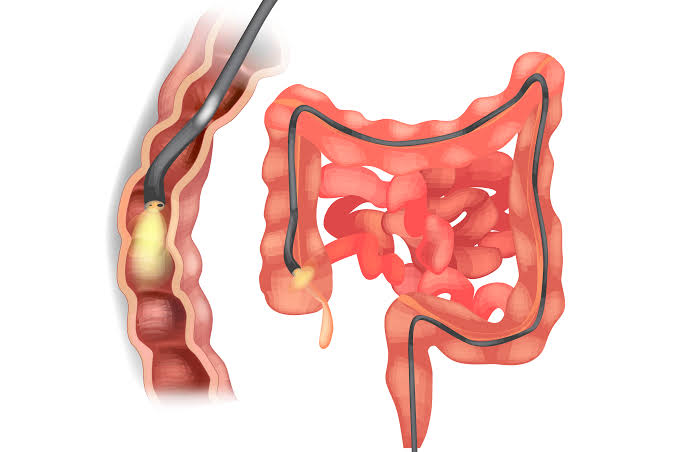
A colonoscopy is a minimally invasive diagnostic procedure in which a doctor examines the inner lining of the large intestine (colon and rectum). Using a thin, flexible, lighted tube equipped with a tiny camera (a colonoscope), the specialist can visualize tissue, identify inflammation, detect polyps, or collect small tissue samples (biopsies) for laboratory analysis.
Colonoscopy at a Glance
Purpose: To examine the large intestine (colon and rectum) for diagnosis, investigation of symptoms, and preventive screening for colorectal cancer.
Instrument: A thin, flexible tube called a colonoscope, fitted with a high-definition camera and light.
Duration: Usually around 20–45 minutes, depending on the findings and procedures performed. Sedation is commonly offered.
Key Benefits:
- Direct examination of the colon and rectum.
- Collection of tissue samples (biopsy) when needed.
- Detection and removal of certain polyps.
- Identification of inflammation, ulcers, and other abnormalities.
Why Seeking Timely Digestive Evaluation Matters in Hyderabad
Hyderabad’s fast-growing IT corridors in HITEC City and Gachibowli, alongside busy residential hubs like Saidabad and Saroor Nagar, have seen a steady rise in gastrointestinal complaints. Long hours at desk jobs, irregular meal times during shift work, high consumption of spicy street foods, and low daily dietary fibre intake contribute significantly to digestive distress.
Digestive Health: Why Early Evaluation Matters
1. Early Symptoms
Digestive problems may begin with mild or occasional symptoms, such as:
- Abdominal bloating.
- Occasional constipation.
- Unexplained weight changes.
- Changes in bowel habits.
Recommended Action: Consult a healthcare professional if symptoms persist, recur, or become concerning. Early evaluation can help identify the cause and guide appropriate treatment.
2. Symptoms That Need Medical Attention
Some symptoms should not be ignored, especially when they continue or worsen:
- Persistent mucus in the stool.
- Blood in the stool or rectal bleeding.
- Ongoing abdominal pain or changes in bowel habits.
- Unexplained weight loss.
- Persistent symptoms that affect daily activities.
Recommended Action: Seek timely medical evaluation. Depending on the cause, further tests or specialist assessment may be needed.
3. Why Early Consultation Is Important
- Helps identify digestive conditions before symptoms become more troublesome.
- Allows treatment to begin according to the underlying cause.
- May reduce the risk of complications in some conditions.
- Helps patients understand when investigations or follow-up are necessary.
Many patients in Hyderabad put off discussing symptoms like persistent constipation, unexplained diarrhea, or minor rectal bleeding due to social stigma or fear of painful procedures. However, delaying evaluation can allow manageable conditions—such as mild colitis, diverticular disease, or benign polyps—to progress unnecessarily. Modern diagnostic procedures are designed with patient comfort, privacy, and gentle sedation in mind, making early evaluation straightforward and stress-free.
Common Reasons Doctors Recommend a Colonoscopy
A specialist may recommend an endoscopic bowel examination for diagnostic, preventive, or monitoring purposes.
- Investigating Chronic Symptoms: Evaluating unexplained changes in bowel habits (such as persistent diarrhea or chronic constipation), ongoing lower abdominal pain, or unexplained weight loss.
- Investigating Rectal Bleeding: Determining the precise source of bright red or dark blood in the stool, which can originate from hemorrhoids, fissures, polyps, or inflammatory bowel changes.
- Preventive Screening: Detecting and removing precancerous polyps (small growths on the colon lining) before they turn into serious health issues.
- Monitoring Existing Conditions: Assessing the extent and healing of Inflammatory Bowel Disease (IBD), such as ulcerative colitis or Crohn’s disease, following medical therapy.
- Unexplained Anemia: Checking for occult (hidden) blood loss in the gastrointestinal tract when blood tests reveal unexplained low iron levels.
What Does the Evaluation and Procedure Process Involve?
Understanding what is colonoscopy preparation and execution helps eliminate fear. The process is divided into clear, manageable steps:
1.1. Pre-Procedure Medical Consultation: Clinical History & Assessment.
Your doctor evaluates your current symptoms, medical history, and medication list to ensure you are fit for the procedure and to customize your care plan.
2.2. Bowel Preparation Phase: Dietary Adjustments & Laxatives.
The day before the test, you follow a clear liquid diet and take prescribed oral bowel-clearing solutions to ensure the colon lining is completely clean for clear camera visualization.
3.3. Sedation and Positioning: Sedation for Patient Comfort.
On the day of the procedure, you lie comfortably on your side. Mild sedation or anesthesia is administered through an IV line so you remain relaxed and pain-free.
4.4. Endoscopic Examination and Sampling: Camera Examination & Action.
The specialist gently guides the flexible colonoscope through the rectum into the colon, inflating the passage with air for clear viewing. If polyps are seen, they can often be removed safely during the test.
5.5. Post-Procedure Monitoring & Discharge: Recovery and Discussion.
You rest in a recovery area for 30 to 60 minutes until the sedation wears off, after which your doctor discusses preliminary findings before you go home.
What to Expect During a First Consultation and Evaluation at CosmoGut
When you visit CosmoGut in Hyderabad for lower gastrointestinal concerns, your consultation is conducted in a private, supportive, and non-judgmental environment.
- Detailed Symptom Mapping: Dr. Raghuteja and the clinical team review your digestive complaints, dietary patterns, lifestyle factors, and family health history.
- Physical & Clinical Examination: A gentle, preliminary external examination is conducted if necessary, respecting your comfort and privacy at all times.
- Determining Diagnostic Needs: Your doctor assesses whether an endoscopic examination (such as a colonoscopy or sigmoidoscopy) is truly needed or if your symptoms can be evaluated through non-invasive tests first.
- Clear Explanation of Preparation: If a colonoscopy is indicated, the clinical team provides simple, written instructions regarding bowel preparation fluids, dietary modifications, and timing.
- Personalized Management Strategy: Once diagnostic results are available, a clear management plan—combining dietary adjustments, lifestyle modifications, and medical therapy—is mapped out for your recovery.
Preventive Health and Conditions Evaluated
A colonoscopy allows specialists to accurately identify and grade various conditions affecting the lower digestive system:
| Condition Category | Primary Symptoms Investigated | Diagnostic Role of Colonoscopy | Potential Action Taken During Test |
| Colon Polyps | Often asymptomatic; occasional silent bleeding | Identifies small tissue growths on the mucosal wall | Polypectomy (safe removal of polyps during examination) |
| Inflammatory Bowel Disease | Chronic diarrhea, abdominal cramps, mucus in stool | Assesses inflammation severity in ulcerative colitis or Crohn’s | Biopsy sampling for pathological confirmation |
| Diverticular Disease | Left-sided lower abdominal pain, altered bowel habits | Visualizes small outpouchings (diverticula) in colon walls | Identifies inflammation or bleeding sources |
| Anorectal Bleeding Sources | Blood mixed in stool or seen on toilet paper | Rules out upper/higher colonic bleeding vs. local piles or fissures | Maps exact bleeding site to guide targeted care |
Red-Flag Symptoms: When Should You Seek Urgent Medical Care?
While mild digestive discomfort can often be evaluated during a routine clinic appointment, certain severe symptoms require prompt medical attention.
Red-Flag Digestive Symptoms
Certain digestive symptoms may indicate a serious medical condition and require immediate medical attention.
1. Heavy or Continuous Rectal Bleeding: Passing large amounts of blood, dark blood clots, or experiencing ongoing rectal bleeding.
2. Severe Abdominal Pain: Sharp, intense, or worsening abdominal pain that does not settle.
3. High Fever with Abdominal Swelling or Anal Pain: Fever accompanied by significant abdominal swelling, severe tenderness, or intense anal pain.
4. Persistent Vomiting: Repeated vomiting that makes it difficult or impossible to keep fluids down.
5. Sudden Weakness or Dizziness: Unexplained severe weakness, light-headedness, or fainting, particularly when accompanied by bleeding.
If you experience any of these red-flag signs, consult a medical specialist or visit a healthcare center immediately.
Areas Served in Hyderabad
CosmoGut Health Care provides expert proctology, gastroenterology, and surgical care to patients across Hyderabad, including key local neighborhoods:
- Saidabad
- Saroor Nagar
- Malakpet
- Santosh Nagar
- Kothapet
- Dilsukhnagar
- LB Nagar
Frequently Asked Questions (FAQs)
Is a colonoscopy painful?
In modern clinical practice, a colonoscopy is performed under light sedation or anesthesia, ensuring that you remain relaxed and comfortable. Most patients feel little to no discomfort during the procedure and report remembering very little of it afterward.
How long does a colonoscopy procedure take?
The actual endoscopic examination typically takes between 20 and 45 minutes. However, you should plan to spend about 2 to 3 hours at the facility to account for pre-procedure preparation, sedation setup, and post-procedure recovery observation.
How do I prepare for a colonoscopy in Hyderabad?
Bowel preparation involves drinking a prescribed clear liquid bowel-clearing solution the day before your procedure, alongside following a restricted clear-fluid diet. This thoroughly cleanses the colon lining so the doctor can view the tissue clearly.
What is the cost of colonoscopy in Hyderabad?
The cost of a colonoscopy in Hyderabad varies depending on the hospital facility, whether light sedation or full anesthesia is used, and whether additional procedures (like polyp removal or tissue biopsies) are performed during the test. Your doctor’s clinic will provide a clear breakdown during your consultation.
Can I drive home after having a colonoscopy?
No. Because mild sedation or anesthesia is used during the procedure, your reflexes and judgment will be temporarily impaired. You must arrange for a family member or friend to accompany you home safely after discharge.
What is the difference between a colonoscopy and a sigmoidoscopy?
A sigmoidoscopy examines only the lowest portion of the large intestine (the rectum and sigmoid colon), whereas a full colonoscopy evaluates the entire length of the large intestine from the rectum all the way to the cecum.
Where can I get evaluated by a colonoscopy specialist near Saidabad or Saroor Nagar?
At CosmoGut Health Care, located conveniently for residents of Saidabad, Saroor Nagar, and surrounding Hyderabad areas, Dr. Raghuteja provides comprehensive clinical consultations and diagnostic evaluations for lower digestive and anorectal symptoms.
Will I need to take leave from work for a colonoscopy?
Most patients take the day of the procedure off from work due to the sedation and recovery time. You can typically resume your normal desk work, light routines, and regular diet the very next day.
Schedule a Consultation at CosmoGut
If you are experiencing persistent digestive issues, altered bowel habits, or bleeding and want to understand what is colonoscopy evaluation for your health needs, take the first step toward clarity and relief.
Looking for a proctologist or gut specialist in Hyderabad? Book a consultation with CosmoGut today.