Table of Contents
What Are the Most Common Gut Problems? Symptoms & Care
Understanding what are the most common gut problems helps demystify daily digestive discomfort and reduces anxiety when unexpected symptoms arise. In urban centres like Hyderabad, conditions such as acid reflux (GERD), chronic constipation, irritable bowel syndrome (IBS), hemorrhoids (piles), and gallstone discomfort account for the majority of healthcare consultations. Recognising these conditions early enables timely, conservative management before minor issues affect your quality of life.
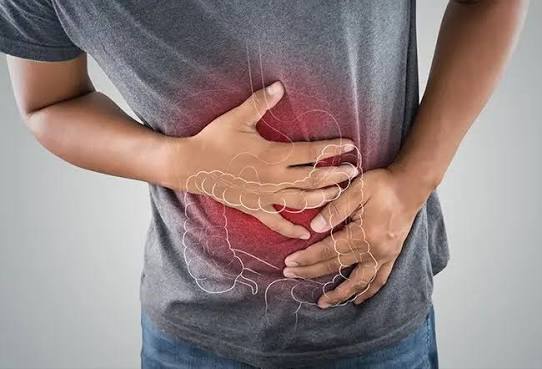
What Is a Gut Problem?
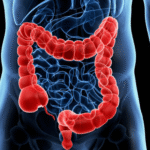
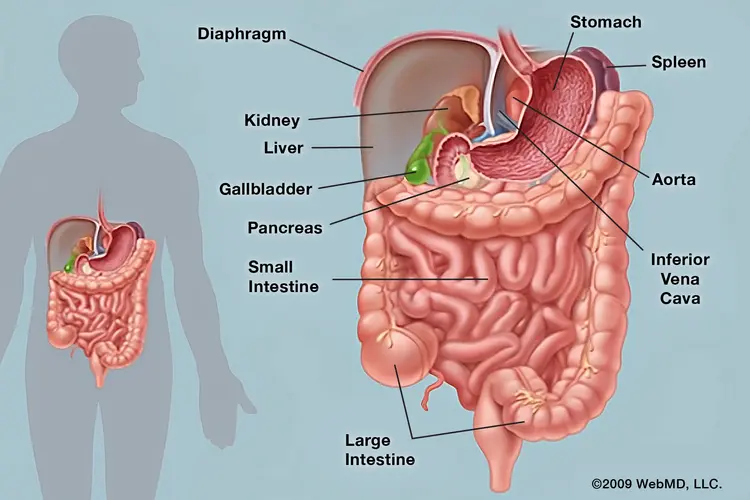
A gut problem refers to any functional, structural, or inflammatory disorder affecting the gastrointestinal tract — from the esophagus and stomach down to the intestines, rectum, and anal canal. These conditions disrupt normal digestion, nutrient absorption, or bowel elimination, presenting as pain, acidity, altered bowel habits, or localized anorectal discomfort.
Why These Conditions Happen: Routine Contributing Factors
Digestive health is tightly linked to daily routines, dietary patterns, and environmental stress. In contemporary Indian city life, several routine lifestyle factors contribute to gastrointestinal strain:
- Sedentary IT & Desk Lifestyles: Sitting continuously for 8 to 10 hours at a desk slows natural intestinal motility (peristalsis) and increases venous pressure in the lower pelvis.
- Low-Fibre & Highly Refined Diets: Diets relying heavily on refined flour (maida), fast foods, and inadequate fresh produce result in small, hard stools that require straining to pass.
- Delayed Toilet Habits: Postponing bowel movements due to busy work meetings or embarrassment leads to excessive water absorption from the stool, causing constipation.
- Irregular Meal Timings: Late-night dinners, long gaps between meals, and frequent festive or monsoonal dietary lapses trigger excess stomach acid and abdominal bloating.
- Inadequate Fluid Intake: Insufficient water consumption during hot periods or in air-conditioned office environments makes stool evacuation difficult.
- Hesitancy Due to Social Stigma: Hesitation or reluctance within joint families to openly discuss anorectal or digestive symptoms often delays timely medical advice.
Common Gut Conditions and Their Symptoms
Recognizing specific symptom patterns makes it easier to discuss your concerns clearly with a healthcare professional:
1. Acid Reflux & GERD (Gastroesophageal Reflux Disease)
Acid reflux occurs when stomach acid flows upward into the esophagus (food pipe). When this happens regularly, it is termed GERD.
- Symptoms: Burning feeling in the chest (heartburn), sour or bitter fluid rising in the throat, bloating, and upper abdominal fullness after meals.
2. Chronic Constipation & Functional Bloating
Constipation involves infrequent bowel movements, hard stools, or a persistent sensation of incomplete evacuation.
- Symptoms: Straining during defecation, infrequent trips to the restroom, lower abdominal heaviness, and excess intestinal gas.
3. Hemorrhoids (Piles)
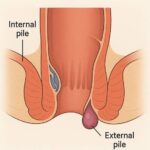
Piles are swollen blood vessels located inside the rectum or around the outer anal opening.
- Symptoms: Painless bright red bleeding during bowel movements, a soft tissue bulge near the anal opening, perianal itching, or mild aching.
4. Anal Fissure
An anal fissure is a small, linear tear in the moist lining of the anal canal, usually caused by passing hard or dry stools.
- Symptoms: Sharp, cutting pain during or immediately after bowel movements, often accompanied by a small streak of bright red blood on the toilet paper.
5. Irritable Bowel Syndrome (IBS)
IBS is a functional gut disorder characterized by altered bowel patterns without visible structural damage to the intestinal lining.
- Symptoms: Recurrent abdominal cramping, fluctuating periods of diarrhea and constipation, and excessive gas production.
6. Gallstones (Gallbladder Disease)
Gallstones are hardened deposits of digestive fluid that form within the gallbladder.
- Symptoms: Episodic upper right abdominal discomfort, nausea, or indigestion, particularly after heavy or oily meals.
How Digestive & Anorectal Conditions Are Evaluated
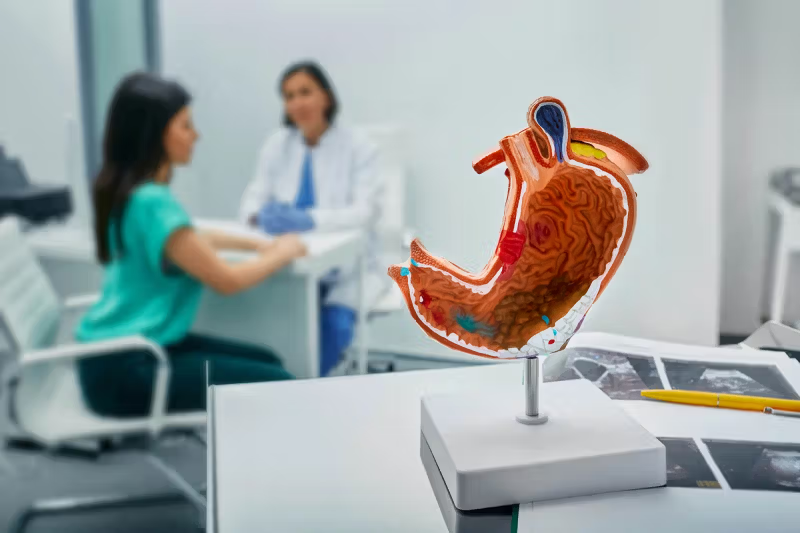
Anxiety surrounding medical checks is common, but clinical evaluations are structured to be gentle, structured, and private.
- Symptom & Habit Review: Your doctor takes a complete history of your symptoms, meal timing, daily fluid intake, and bowel patterns to identify underlying lifestyle triggers.
- Physical Examination: A focused, non-invasive physical check assesses abdominal tenderness or visible outer skin changes while maintaining patient comfort.
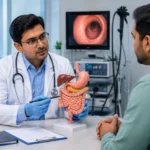
- Anoscopy Assessment (When Relevant): For perianal discomfort or rectal bleeding, a short, lubricated instrument called an anoscope allows the doctor to view the lower anal canal painlessly.
- Diagnostic Investigations: If required, routine blood panels, abdominal ultrasound (for gallbladder or liver checks), or endoscopic tests are recommended to confirm the exact diagnosis.
- Personalized Care Discussion: Your specialist outlines conservative measures, such as dietary fibre planning, targeted hydration guidance, prescribed medication, or non-invasive procedures tailored to your condition.
If you are experiencing these symptoms, a proper evaluation at CosmoGut in Hyderabad can bring clarity and relief under the guidance of Dr. Raghuteja, Consultant General & Laparoscopic Surgeon. Located conveniently for residents of Saidabad, Saroor Nagar, and Dilsukhnagar, the clinic provides evidence-based care in a private environment.
Common Misconceptions About Gut Health
| Misconception | Medical Fact |
| “Acidity is just a minor habit, not a real medical concern.” | Chronic, unmanaged acid reflux can irritate the esophageal lining over time, requiring proper medical assessment. |
| “Every anorectal symptom means you have piles.” | Rectal bleeding or pain can result from anal fissures, fistulas, or inflammatory bowel issues — accurate examination is essential. |
| “Piles and fissures always require surgery.” | Most early-stage cases respond well to dietary changes, proper stool softeners, and non-surgical care. |
| “Skipping meals helps clear up stomach bloating.” | Skipping meals often leads to increased gas buildup, erratic acid secretion, and worsened bloating later in the day. |
When to See a Doctor Urgently
While many digestive issues manage well with simple dietary adjustments and routine care, certain red-flag symptoms require immediate medical attention to rule out complications:
- Continuous, heavy, or dark-colored rectal bleeding.
- Severe, unbearable abdominal or anal pain.
- Visible perianal discharge accompanied by sudden swelling.
- Fever accompanied by localized anal pain or inflammation.
- Recurrent symptoms that return after previous medical treatment.
Frequently Asked Questions
What are the most common gut problems seen in urban populations?
The most frequent digestive concerns include chronic acid reflux (GERD), functional constipation, irritable bowel syndrome (IBS), hemorrhoids (piles), anal fissures, and gallstone disease.
Is it normal to experience frequent bloating or gas after meals?
Occasional gas is normal, but persistent or uncomfortable bloating after meals often points to slowed gut motility, low dietary fibre, or functional bowel disorders that benefit from clinical review.
How do I know if my stomach discomfort is serious?
Discomfort warrants immediate medical attention if accompanied by red-flag symptoms such as continuous rectal bleeding, severe unbearable pain, sudden discharge with swelling, or fever.
Can desk jobs or prolonged sitting cause digestive problems in Hyderabad?
Yes, sitting for long hours increases intra-abdominal pressure, slows natural intestinal peristalsis, and elevates pelvic venous strain, contributing to acidity, sluggish digestion, and piles.
When should I see a doctor for gut health concerns in Hyderabad?
Schedule an appointment if your digestive symptoms persist for more than a couple of weeks, recur frequently despite dietary adjustments, or interfere with your daily routine.
What happens during a gut consultation at CosmoGut?
At CosmoGut in Hyderabad, Dr. Raghuteja conducts a complete review of your dietary habits, medical history, and symptom timeline, followed by a gentle, private examination to formulate a personalized care plan.
Taking the Next Step Toward Digestive Comfort
Digestive discomfort and anorectal symptoms are common, manageable medical conditions that deserve timely, professional attention without worry or embarrassment.
If you are experiencing these symptoms, a proper evaluation can bring clarity and relief. Book a consultation with CosmoGut in Hyderabad — call +91 92814 34315 or WhatsApp us to schedule your appointment with Dr. Raghuteja today.