Diabetes & Gut Health Connection | CosmoGut
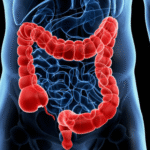
Diabetes is one of the fastest-growing lifestyle diseases in India, affecting millions of people. While most individuals focus on controlling blood sugar through medication and diet, an important factor is often overlooked — gut health.
Recent research shows that the gut microbiome plays a significant role in regulating blood sugar, insulin sensitivity, and overall metabolic health. Understanding this connection can help improve diabetes management and long-term health outcomes.
What Is Gut Health?
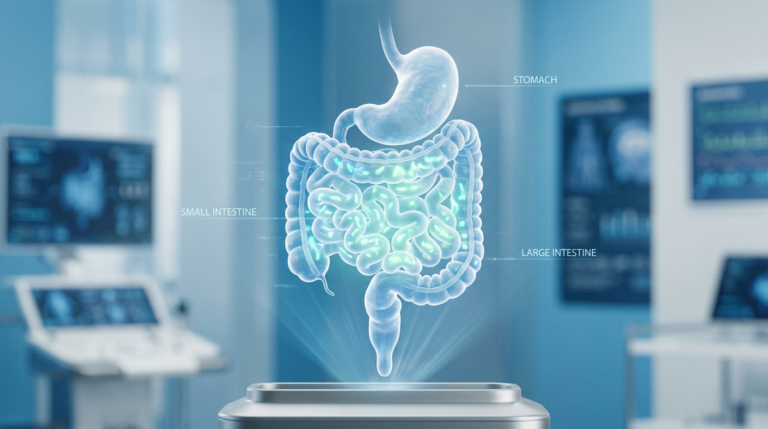
Gut health refers to the proper functioning of the digestive system, especially the balance of beneficial bacteria in the intestines, known as the gut microbiome.
These microorganisms help in:
- Digestion of food
- Absorption of nutrients
- Regulation of immunity
- Hormone production
A healthy gut supports overall health, while an imbalance (dysbiosis) can lead to several metabolic disorders, including diabetes.
How Gut Health Affects Blood Sugar
The relationship between gut health and diabetes is supported by growing scientific evidence.
Insulin Sensitivity
Good bacteria improve how the body responds to insulin. Poor gut health can lead to insulin resistance, which is a key factor in Type 2 diabetes.
Inflammation
An unhealthy gut increases inflammation in the body. Chronic inflammation can worsen blood sugar control.
Hormonal Balance
The gut produces hormones that regulate appetite and glucose levels, such as GLP-1.
Glucose Absorption
Gut bacteria influence how quickly glucose is absorbed into the bloodstream, directly affecting blood sugar levels.
Signs Your Gut May Be Affecting Your Diabetes
Many people with diabetes also experience gut-related symptoms without realizing the connection.
Common signs include:
- Bloating and gas
- Indigestion
- Frequent sugar cravings
- Fatigue
- Difficulty controlling blood sugar
Improving gut health can help reduce these symptoms and improve metabolic balance.
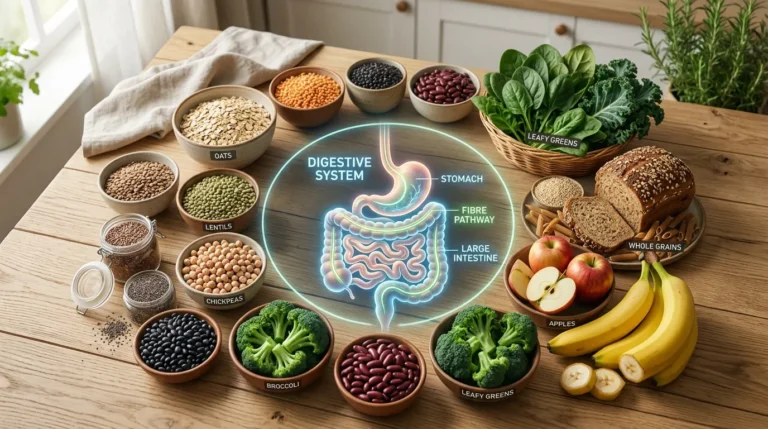
Foods That Improve Gut Health in Diabetes
Bloating is caused by excess gas buildup leading to abdominal discomfort.
Bloating is a feeling of fullness, tightness, or swelling in the abdomen.
It may be associated with:
- Excess gas in the digestive system
- Slow digestion
- Food intolerance
- Gut microbiome imbalance
Bloating can cause discomfort and affect daily activities.
Lifestyle Changes That Help
Along with diet, daily habits play a crucial role in improving gut health and managing diabetes.
- Exercise regularly to improve insulin sensitivity
- Get enough sleep to maintain hormonal balance
- Manage stress to support gut-brain connection
- Stay hydrated to aid digestion
Consistency in these habits can lead to long-term improvements.
Can Gut Health Help Reverse Diabetes?
Improving gut health can significantly help in controlling blood sugar levels. In early stages of diabetes, it may even support reversal when combined with:
- Weight management
- Balanced diet
- Regular exercise
- Medical supervision
A gut-focused approach is becoming an essential part of modern diabetes care.
Conclusion
The connection between diabetes and gut health is powerful yet often ignored. A healthy gut helps regulate blood sugar, reduce inflammation, and improve insulin sensitivity.
By focusing on gut health through proper diet and lifestyle changes, individuals can take an important step toward better diabetes control and overall wellbeing.
FAQs
1. How does gut health affect diabetes?
Gut health influences insulin sensitivity, inflammation, and glucose metabolism, which directly affect diabetes.
2. Can improving gut health reduce blood sugar?
Yes, a healthy gut can help stabilize blood sugar levels and improve metabolic health.
3. What foods are good for gut health in diabetes?
Fibre-rich foods, fermented foods, prebiotics, and healthy fats are beneficial.
4. What are signs of poor gut health?
Bloating, gas, fatigue, sugar cravings, and poor blood sugar control are common signs.
5. Can gut health help reverse diabetes?
It can support reversal in early stages when combined with proper lifestyle changes and medical care.