Table of Contents
What Is Rectal Prolapse?
Noticing tissue slip outward during a bowel movement can feel frightening, especially when you are unsure whether it is simple piles or something else. If you are anxiously searching for what is rectal prolapse, take a calm breath—understanding this condition is the first step toward safe, dignified medical care.
Last medically reviewed: November 2026
Rectal prolapse is a treatable mechanical condition where the lower end of the large intestine loses its supporting attachments and slides downward. Because embarrassment often keeps people in Hyderabad from discussing anorectal symptoms even within close joint families, learning the facts privately helps you seek a specialist consultation without fear.
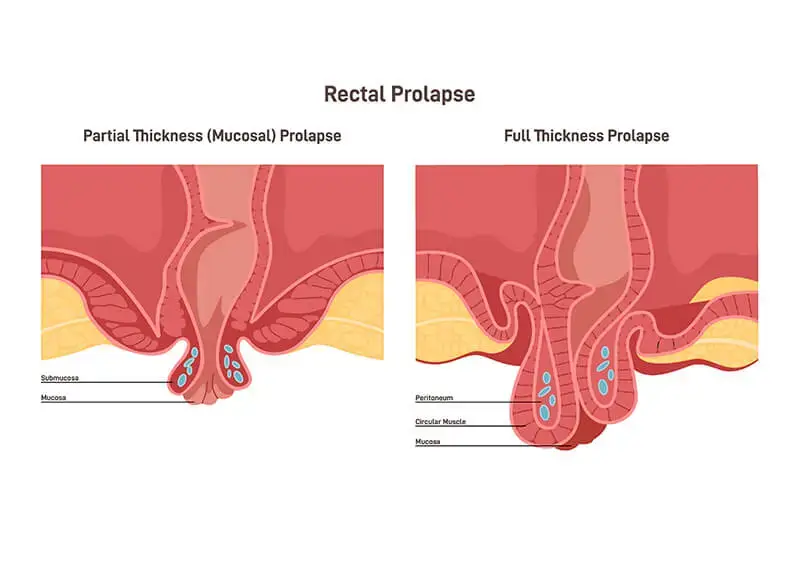
What Is Rectal Prolapse?
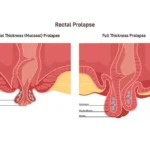
Rectal prolapse occurs when the rectum—the final muscular section of the large intestine just above the anus—loses its normal internal support and telescopes downward. Depending on severity, it may remain internal, slip partially through the anal opening during straining, or protrude fully outside the body.
Unlike swollen blood vessels, this condition involves the wall of the rectum itself shifting out of alignment. It develops gradually over time, often linked to years of bowel straining, weakened pelvic floor muscles, or chronic constipation.
How Rectal Prolapse Differs From Piles (Hemorrhoids)
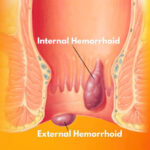
Many semi-informed readers naturally mistake a prolapsed rectum for advanced hemorrhoids (piles — swollen veins in the lower rectum and anus). While both can produce a soft lump, mucus discharge, or bright red bleeding, their underlying structures differ clearly:
| Clinical Feature | Rectal Prolapse | Internal Hemorrhoids (Piles) |
| Tissue Involved | Concentric rings of the rectal wall lining | Swollen vascular cushions (blood vessels) |
| Visual Appearance | Smooth, circular folds of reddish tissue | Distinct, lumpy grape-like cushions |
| Bowel Control Impact | Can weaken anal sphincter tone over time | Rarely affects underlying sphincter muscle strength |
| Primary Care Approach | Pelvic floor support or anatomical repositioning | Dietary fiber, medication, or targeted laser care |
How Corrective Care Works
When addressing what is rectal prolapse and how doctors manage it, clinical care focuses on restoring normal anatomy while protecting delicate pelvic muscles:
- Conservative Support for Mild Cases: Early partial slipping (mucosal prolapse) can often be managed alongside high-fiber Indian diets, proper hydration, and avoiding prolonged toilet sitting during busy desk-job schedules.
- Precision-Focused Surgical Repair: For full-thickness prolapse, surgical options aim to lift and secure the rectum back into place—either through minimally invasive laparoscopic keyhole techniques in the abdomen or through a localized perineal (anal-region) approach.
- Controlled Energy and Minimal Cutting: Modern laparoscopic and proctological methods emphasize gentle tissue handling and controlled energy delivery to minimize unnecessary trauma to surrounding structures.
Why Expertise Matters in Anorectal Care
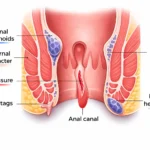
The anal canal is surrounded by the anal sphincter—a ring of muscles responsible for maintaining bowel control (continence). Any evaluation or procedure in this region requires careful anatomical precision to protect these muscles and surrounding nerves.
At CosmoGut in Hyderabad, care is guided by Dr. Raghuteja, Consultant General & Laparoscopic Surgeon, whose clinical philosophy emphasizes ethical, need-based intervention and sphincter preservation. With focused experience across proctology and over 1,000 laparoscopic procedures, the center prioritizes accurate diagnosis before recommending any surgical step.
Step-by-Step Overview of the Care Pathway
If you visit a specialist to evaluate suspected rectal prolapse, the clinical pathway follows a calm, structured sequence:
- Confidential History Taking: Your doctor listens privately to your symptoms, bowel habits, history of straining, and how long you have noticed tissue protrusion.
- Gentle Physical Examination: Using medical drapes and a respectful, unhurried approach, the specialist examines the anal area to observe the tissue safely.
- Diagnostic Grading and Discussion: Your doctor differentiates prolapse from piles or polyps and may suggest targeted imaging or bowel function tests when appropriate.
- Procedure Day Preparation (If Needed): If surgical repair is advised, the team explains anesthesia, minimal-access steps, and hospital timing clearly beforehand.
- Guided Recovery and Follow-Up: Post-care focuses on soft stools, gradual return to daily routines, and scheduled checkups to monitor healing.
What Determines Suitability for Different Options?
No single treatment suits every patient. A qualified surgeon evaluates several individual factors before outlining a plan:
- Degree of Prolapse: Whether only the inner lining (mucosal) or the entire rectal wall (full-thickness) is sliding downward.
- Age and Overall Health: General fitness and medical history help determine whether a laparoscopic abdominal repair or a localized perineal approach is safer.
- Bowel Function and Constipation: Underlying sluggish colon motility or pelvic floor weakness must be addressed alongside anatomical repair.
- Sphincter Muscle Tone: Assessing existing muscle strength helps guide rehabilitation and protect continence.
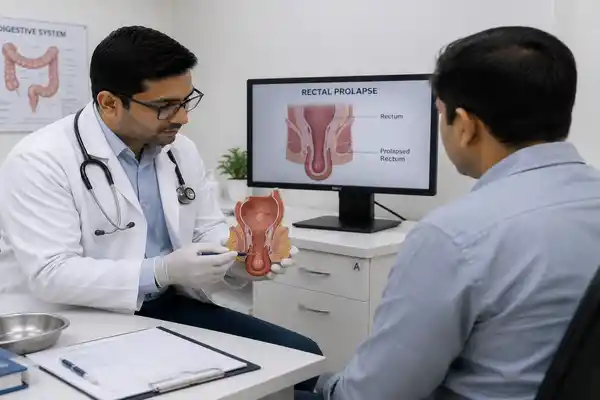
Is It Normal to Feel Embarrassed About Prolapse Symptoms?
Many patients ask, is it normal to feel hesitant or ashamed about showing an anorectal bulge to a doctor?
Yes, feeling anxious is completely natural—especially when spicy, low-fiber meals and long IT desk hours trigger symptoms you feel uncomfortable mentioning at home. Proctology specialists evaluate these exact concerns daily in private, non-judgmental settings so you can focus purely on getting well.
When Should I Seek Immediate Medical Care?
While gradual symptoms can be assessed at a scheduled appointment, seek urgent medical evaluation if you experience any of these warning signs:
- Continuous, heavy rectal bleeding.
- Severe, unbearable anal or lower abdominal pain.
- Tissue that protrudes and cannot be gently reduced, becoming swollen, dark, or tender.
- Discharge accompanied by localized swelling or fever with anal pain.
- Recurrent symptoms returning after previous anorectal treatment.
Frequently Asked Questions
What is rectal prolapse in simple terms?
Rectal prolapse occurs when the rectum—the final section of the large intestine—loses its internal muscular support and slips downward, sometimes protruding through the anal opening during bowel movements.
How can I tell if I have piles or rectal prolapse?
While both conditions can cause a noticeable bulge or bleeding, piles involve swollen blood vessels, whereas rectal prolapse involves concentric folds of the actual rectal wall slipping outward. Only a doctor can confirm the difference.
Does rectal prolapse always require surgery?
Not always. Very early or partial mucosal slipping may be managed initially with dietary fiber, hydration, and pelvic floor support, while full-thickness prolapse typically benefits from surgical repair.
How does Dr. Raghuteja approach rectal prolapse evaluation at CosmoGut?
Dr. Raghuteja follows an ethical, need-based approach that prioritizes accurate clinical grading, gentle physical assessment, and preserving anal sphincter muscle function before recommending any procedure.
Can lifestyle changes help alongside medical care for rectal prolapse?
Yes. Eating fiber-rich foods, drinking adequate water, avoiding prolonged mobile use on the toilet, and never straining during bowel movements support recovery alongside professional medical care.
What happens during a laparoscopic repair for rectal prolapse?
In an abdominal laparoscopic approach, small keyhole incisions are used to lift and secure the rectum back into its natural anatomical position with minimal tissue disruption.

Taking a Calm Next Step
Understanding what is rectal prolapse helps replace worry with clear, practical knowledge. You do not have to manage uncomfortable or confusing anorectal symptoms alone—a private, personalized evaluation can confirm what is happening and outline safe options tailored to your needs.
To schedule a confidential consultation in Saidabad, Hyderabad, call +91 92814 34315 or reach out via WhatsApp to speak with the care team at CosmoGut.