Table of Contents
What Are the First Signs of Piles in Hyderabad?
The first signs of piles in Hyderabad often appear subtly—such as bright red streaks on toilet paper after a bowel movement, mild itching around the anal area, or a feeling of incomplete evacuation—and are frequently noticed by residents navigating busy desk jobs and spicy, low-fibre diets across the city. Because early hemorrhoids are usually painless, many people dismiss these initial signals or feel too hesitant to bring them up during a routine doctor visit.
Recognizing these early symptoms calmly allows you to address digestive strain before discomfort worsens. Understanding what your body is signaling helps replace quiet anxiety with clear, practical steps toward professional care.
Last medically reviewed: November 2026
Why Choosing the Right Specialist Matters in Hyderabad
Across Hyderabad, modern daily routines place quiet, continuous pressure on digestive health. Long hours seated at office desks, extended commutes through city traffic, and irregular meal timings frequently lead to sluggish bowel movements and constipation.
Combined with rich, spicy local cuisines and low daily fibre intake, these habits increase strain in the lower digestive tract. Yet, when mild discomfort or light bleeding begins, cultural stigma and embarrassment around anorectal health often keep people silent.
In many joint families, individuals feel reluctant to mention bathroom-related symptoms, hoping the issue will simply fade away on its own. Unfortunately, delaying an evaluation can allow mild, easily manageable swelling to progress into persistent discomfort.
Choosing a dedicated proctology and gut-health specialist in Hyderabad ensures your symptoms are evaluated privately, respectfully, and accurately. Rather than relying on guesswork or unverified over-the-counter creams, a specialist identifies the exact root cause and guides you toward appropriate care.
What Does an Evaluation Involve?
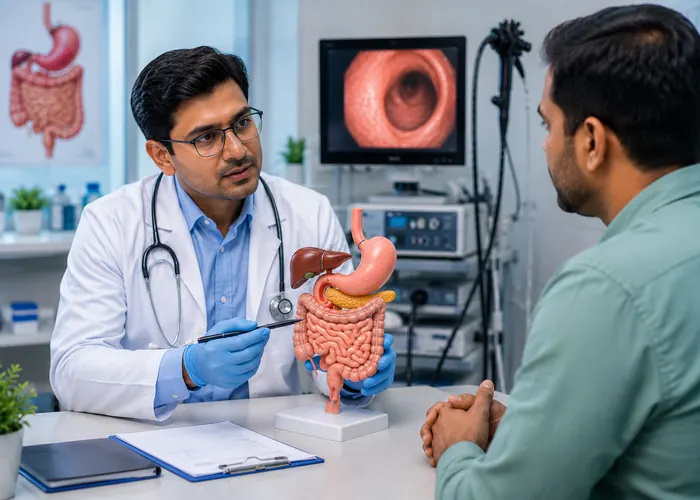
A proctology evaluation involves four structured steps: a private discussion of your digestive history and symptoms, a gentle, respectful physical examination of the anorectal area, clinical grading of any hemorrhoidal swelling, and a clear explanation of tailored lifestyle, medical, or minimally invasive management options.
Understanding Piles (Hemorrhoids) in Plain Language
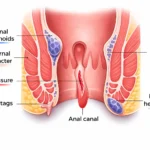
Everyone is born with networks of tiny blood vessels and supportive tissue cushions inside the lower rectum and anal canal. These natural vascular cushions help control bowel movements and protect the anal lining when passing stools.
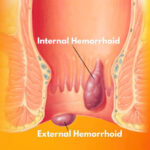
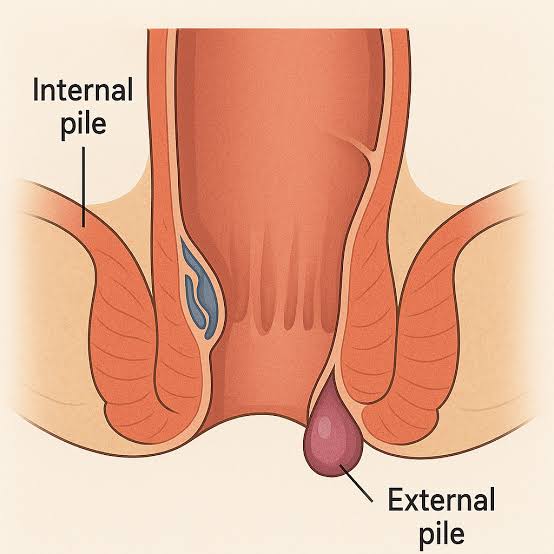
Piles—known medically as hemorrhoids—develop when these blood vessels become swollen, stretched, or inflamed due to increased pressure in the lower pelvis. Depending on where the swelling forms, doctors categorize them into two main types:
- Internal Hemorrhoids: Swollen cushions located inside the lower rectum. Because this internal lining lacks pain-sensing nerves, early internal piles rarely hurt and usually announce themselves through painless bleeding.
- External Hemorrhoids: Swollen veins beneath the sensitive skin directly around the outside of the anal opening. These can cause noticeable itching, irritation, or a tender lump when inflamed.
Doctors also classify internal piles into four clinical stages (Grades 1 to 4) based on whether the tissue remains inside the canal or protrudes outward during bowel movements. Identifying the grade early helps your doctor tailor the simplest, most effective management plan.
Recognizing the Early Signs of Piles
Because early symptoms often come and go, paying attention to subtle patterns helps you seek timely advice. You may notice one or more of the following indicators:
- Bright Red Blood During or After Stools: Noticing small streaks of fresh, bright red blood on toilet paper, dripping into the bowl, or coating the surface of your stool—typically without accompanying pain.
- Anal Itching or Mild Irritation (Pruritus Ani): Persistent itchiness or skin sensitivity around the anal opening, often triggered by minor mucus leakage from swollen internal tissue.
- A Sensation of Incomplete Evacuation: Feeling as though you still need to pass stool even right after finishing a bowel movement, caused by swollen internal cushions mimicking the presence of stool.
- A Soft, Small Lump Near the Anal Opening: Feeling a mild, soft swelling around the anus when washing, which may become slightly more noticeable after straining on the toilet.
- Mild Mucus Discharge: Noticing clear or whitish mucus stains on undergarments, which can irritate the delicate outer skin if left unaddressed.
Is It Normal to Have Painless Bleeding? Piles vs. Other Anorectal Conditions
Many anxious readers wonder whether light rectal bleeding is “normal” if it does not hurt. While painless bright red bleeding is a classic hallmark of early internal piles, bleeding from the digestive tract is never something to dismiss without a proper check.
Several distinct anorectal conditions share overlapping symptoms, which is why self-diagnosing at home often leads to incorrect assumptions:
| Condition | Plain-Language Definition | Typical Bleeding Pattern | Typical Pain Level | Common Distinguishing Feature |
| Internal Piles (Hemorrhoids) | Swollen vascular cushions inside the lower rectum | Bright red streaks on tissue or drops in the bowl | Usually painless in early stages (Grades 1–2) | Feeling of fullness or tissue briefly protruding during stools |
| Anal Fissure | A small tear or split in the delicate lining of the anus | Small amounts of bright red blood on wiping | Sharp, burning pain during and after bowel movements | Pain often lingers for minutes or hours after passing stool |
| Anal Fistula | A tiny infected tunnel connecting the anal canal to outer skin | Occasional blood-stained pus or fluid | Dull, throbbing ache that worsens when sitting | Recurrent swelling, boil-like bump, or foul-smelling discharge |
| Perianal Abscess | A localized collection of pus near the anal tissue | Usually none unless it drains spontaneously | Steady, worsening pain and tenderness | Redness, warmth, firm swelling, and sometimes mild fever |
Common Everyday Triggers in Hyderabad Lifestyles
Understanding what contributes to the first signs of piles in Hyderabad helps you recognize everyday habits that put extra pressure on your lower digestive system:
- Prolonged Sitting and Desk Work: Spending eight to ten hours seated at a computer—followed by long drives on congested roads—reduces healthy blood flow in the pelvic veins, encouraging pooling and swelling.
- Low-Fibre, Refined Meals: Diets heavy in polished white rice, refined flour (maida), and fried snacks lack the natural bulk needed to keep stools soft and easy to pass.
- Spicy Foods and Dehydration: Regularly eating fiery masalas, pickles, and chilies alongside insufficient water intake irritates the digestive lining and hardens stools, particularly during warm weather or festive seasons.
- Delayed Toilet Habits & Phone Distractions: Holding back the urge to pass stool during busy meetings or sitting on the toilet for extended periods scrolling on a smartphone increases downward gravitational pressure on anal cushions.
- Pregnancy and Postpartum Pressure: Growing uterine weight during pregnancy and physical straining during childbirth temporarily compress pelvic veins, making hemorrhoids very common among expecting and new mothers.
What CosmoGut Treats: Focused Gut and Proctology Care
When anorectal or digestive symptoms disrupt your peace of mind, consulting a focused medical centre provides clarity without the overwhelm of a crowded general hospital. Led by Dr. Raghuteja, Consultant General & Laparoscopic Surgeon, CosmoGut Health Care operates as a dedicated surgical centre for gut health and proctology in Hyderabad.
With clinical experience spanning over 1,000 laparoscopic procedures and a focused approach to modern proctology and laser care, CosmoGut evaluates and manages three core clinical areas:
- Proctology Care: Comprehensive evaluation and management of piles (hemorrhoids), anal fissures, anal fistulas, pilonidal sinus, and perianal abscesses—emphasizing conservative medical care first and modern minimally invasive or laser procedures when clinically appropriate.
- Gastroenterology & Digestive Health: Assessment of chronic constipation, acidity, gastroesophageal reflux (GERD), irritable bowel patterns, bloating, and unexplained abdominal discomfort.
- Gallbladder & Laparoscopic General Surgery: Diagnostic workups and minimally invasive surgical management for gallstones, gallbladder inflammation, hernias, and appendicitis.
What to Expect at Your First Consultation
Fear of pain or embarrassment is the biggest reason people postpone seeing a specialist. Knowing exactly what happens during a structured visit at CosmoGut helps ease that worry:
- Private, Judgement-Free History Taking: You begin by speaking confidentially with the doctor about your bowel habits, diet, symptom timeline, and any discomfort you have noticed.
- Gentle, Respectful Physical Examination: When appropriate, the doctor performs a brief visual check and a gentle digital examination using numbing lubricant to feel for internal or external changes.
- Proctoscopy (If Indicated): If a clearer look inside the lower canal is needed, a thin, illuminated instrument (proctoscope) is used briefly—a quick, generally well-tolerated step that confirms whether internal piles or a fissure are present.
- Clear Explanation and Grading: The doctor explains the exact findings in plain language, showing you whether your symptoms represent Grade 1 or Grade 2 piles or another anorectal condition.
- Personalized Management Plan: You receive a tailored plan starting with dietary adjustments, hydration targets, and prescribed medications—discussing minimally invasive options only if your condition requires them.
- Structured Follow-Up Guidance: Before leaving, you receive clear guidance on symptom monitoring, supportive home care, and when to return for a routine check.
When Should I See a Doctor Immediately? Red-Flag Symptoms
While mild, occasional symptoms can be evaluated at a scheduled clinic visit, certain warning signs require prompt medical attention. In line with CosmoGut’s clinical safety protocols, you should seek urgent evaluation if you experience any of the following red flags:
- Continuous or Heavy Bleeding: Bleeding from the rectum that does not stop after a bowel movement, fills the toilet bowl, or causes dizziness and weakness.
- Severe, Unbearable Anal Pain: Sudden, intense pain or a hard, bluish, swollen lump outside the anus (which may indicate a thrombosed external hemorrhoid or acute abscess).
- Pus or Foul-Smelling Discharge with Swelling: Persistent fluid or pus leaking from a tender bump near the anal area.
- Fever Accompanied by Anal Pain: Running a fever or chills alongside localized rectal pain, which can signal an underlying infection requiring timely care.
- Recurrent Symptoms After Previous Treatment: Bleeding, pain, or swelling that returns despite completing earlier medical or surgical treatment.
Supportive Lifestyle Habits Alongside Medical Care
Making gentle daily adjustments supports digestive comfort and prevents straining. Always treat these habits as helpful support alongside—never instead of—a professional medical evaluation:
- Increase Dietary Fibre Gradually: Add whole grains (jowar, ragi, oats), lentils (dal), leafy vegetables, papaya, and soaked chia or flax seeds to soften stools naturally.
- Stay Consistently Hydrated: Drink plenty of plain water throughout the day—especially in Hyderabad’s warm climate—so dietary fibre can work effectively in your gut.
- Respond Promptly to Bowel Urges: Avoid delaying washroom visits during work hours, and keep toilet time brief (under five minutes) without reading or using your phone.
- Consider Warm Sitz Baths: Sitting in a shallow basin of plain, warm water for 10 to 15 minutes after bowel movements can help soothe mild local irritation and relax pelvic muscles.
Areas Served Across Hyderabad
Conveniently located in Saidabad, CosmoGut Health Care provides accessible proctology and digestive consultations for individuals and families across surrounding Hyderabad neighborhoods, including:
- Saidabad & Saroor Nagar: Immediate neighborhood access for timely check-ups and follow-up visits.
- Dilsukhnagar & Kothapet: Easy connectivity for residents and commuters along the eastern corridor.
- Malakpet & LB Nagar: Convenient transit routes for patients seeking focused anorectal and gut-health evaluations.

Frequently Asked Questions
What are the earliest signs of piles I might notice at home?
The earliest indicators typically include small streaks of bright red blood on toilet tissue or in the bowl after passing stools, mild itching around the anal opening, and a subtle sensation of fullness or incomplete evacuation. Early hemorrhoids are often painless.
Is it normal to see occasional blood in my stool?
Seeing blood in your stool is common in anorectal conditions like piles or fissures, but it should never be ignored as normal. A proper clinical evaluation by a doctor is essential to identify the exact source and rule out other digestive issues.
How can I tell the difference between piles and an anal fissure?
Internal piles usually cause painless, bright red bleeding during bowel movements, whereas an anal fissure—a small tear in the anal lining—typically causes sharp, burning pain during and after passing stools. Only a physical examination by a specialist can confirm the difference.
Where can I find a proctologist for piles evaluation in Hyderabad?
Residents across Hyderabad, particularly near Saidabad and Saroor Nagar, can consult Dr. Raghuteja, Consultant General & Laparoscopic Surgeon at CosmoGut Health Care, for a confidential, structured anorectal and digestive evaluation.
Does every case of early piles require surgery?
No, early-stage piles (Grade 1 and many Grade 2 cases) are frequently managed without surgery through dietary fibre adjustments, hydration, healthy toilet habits, and doctor-prescribed medications. Surgical or minimally invasive laser options are generally considered only when symptoms persist or progress.
Why are piles so common among working professionals in Hyderabad?
Prolonged sitting during desk jobs and daily traffic commutes in Hyderabad slows pelvic blood circulation, while low-fibre, spicy meals and inadequate water intake contribute to constipation and straining—key triggers for hemorrhoidal swelling.
What happens during a first consultation at CosmoGut in Saidabad?
At CosmoGut Health Care in Saidabad, your consultation involves a private discussion of your digestive habits and symptoms, a gentle, respectful examination to determine the condition and grade, and a clear explanation of tailored management options.
When should I seek urgent medical care for anorectal symptoms in Hyderabad?
You should seek prompt medical evaluation in Hyderabad if you experience continuous bleeding, severe unbearable pain, discharge accompanied by swelling, fever with anal pain, or symptoms that return after previous treatment.
Take a Calm, Informed Step Toward Relief
Noticing the first signs of piles in Hyderabad can feel unsettling, especially when embarrassment makes it hard to talk openly. Yet early evaluation is simple, respectful, and often resolves discomfort before complex interventions are ever needed.