Table of Contents
Is Hernia Surgery Very Risky? A Patient Guide
Discovering a bulge in the abdomen or groin can feel unsettling, and many patients in Hyderabad immediately ask: is hernia surgery very risky? Directly put: in most cases, planned hernia repair is a routine, well-established procedure with a favorable safety profile when performed after proper pre-operative assessment.
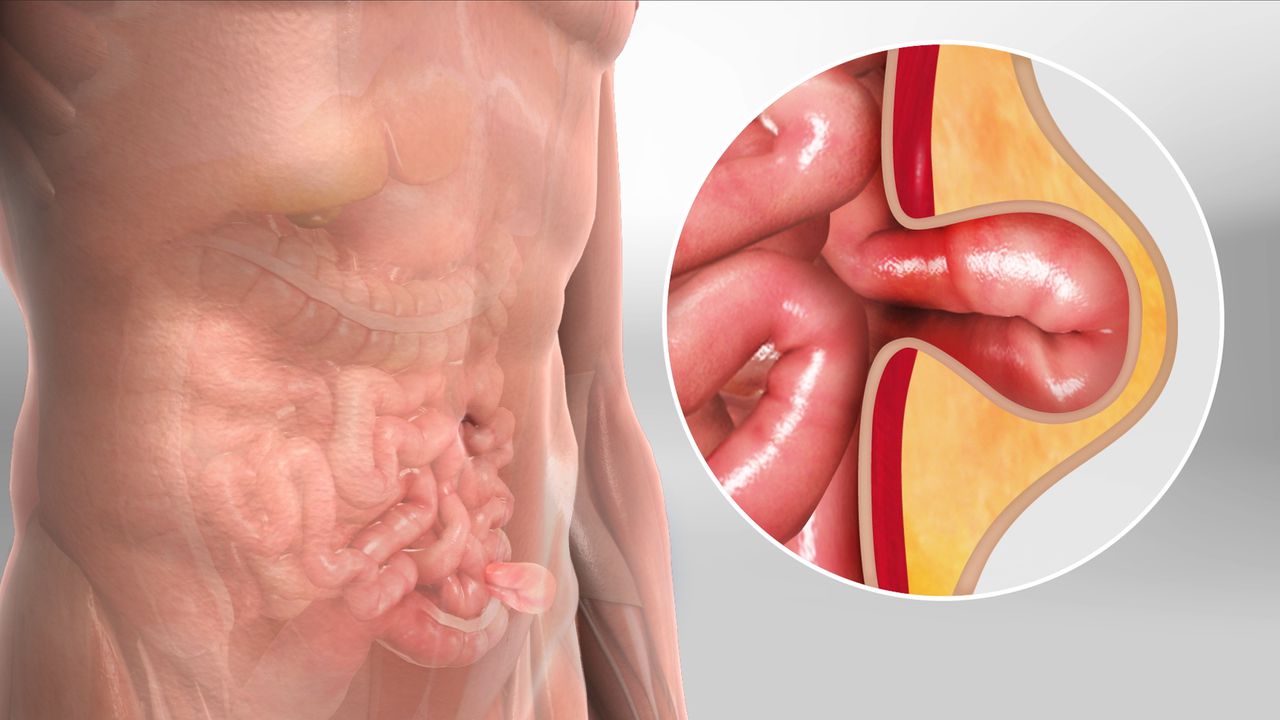
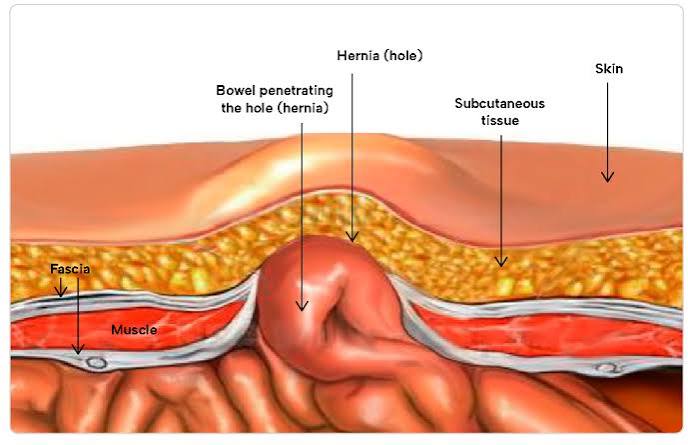
A hernia occurs when an internal organ or fatty tissue pushes through a weak spot in the surrounding muscle wall. Understanding how modern surgical repair works—and why delaying an evaluation often carries higher risk than planned care—helps you make a calm, informed decision.
Why Choosing the Right Specialist Matters in Hyderabad
Long desk-bound IT shifts across Hyderabad, chronic straining from low-fiber diets, heavy lifting, and sudden intense gym routines place repeated pressure on the abdominal wall. Furthermore, embarrassment around groin lumps often causes individuals in joint-family homes to hide symptoms or rely on supportive belts instead of seeing a surgeon.
What Does an Evaluation Involve?
A specialist hernia evaluation involves taking a detailed history of when the bulge appears, performing a gentle physical examination while standing and lying down, reviewing ultrasound findings to assess defect size, and discussing tailored laparoscopic or open surgical options clearly with the patient.
Waiting until a painless bulge becomes trapped can turn a calm, planned daycare or short-stay procedure into an urgent emergency. Consulting a focused surgical center in local areas like Saidabad and Saroor Nagar ensures clear, ethical guidance.
Is Hernia Surgery Very Risky? Understanding Planned Repair vs. Delay
Hernia repair surgery (herniorrhaphy or hernioplasty) is a standard surgical procedure in which a surgeon gently returns protruding tissue back into the abdominal cavity and reinforces the weakened muscle opening—usually with a biocompatible surgical mesh—to restore abdominal wall strength.
Every surgical procedure involves general considerations such as anesthesia response, mild temporary soreness, or rare infection. However, medical consensus shows that elective (planned) repair carries substantially lower risk than emergency surgery for an incarcerated or strangulated hernia.
Planned Hernia Treatment vs. Delayed Treatment – Simple Explanation
| Care Stage | Simple Meaning |
|---|---|
| 1. Planned Consultation | The doctor checks overall health, heart function, and blood reports before surgery. |
| 2. Planned Hernia Surgery | Surgery is scheduled in advance. Keyhole surgery may be an option, depending on the patient’s condition. |
| 3. Delaying Treatment | Waiting too long may cause the hernia to become trapped and difficult to push back inside. |
| 4. Emergency Surgery | If blood supply to the trapped intestine gets cut off, emergency surgery may be needed. This can make treatment more complicated. |
Key Factors That Influence Surgical Safety
When evaluating is hernia surgery very risky for your specific situation, a qualified surgeon reviews five core clinical factors:
- Timing of the Repair: Planned procedures performed while the hernia is still reducible (pushes back in easily) are far smoother than emergency repairs.
- Hernia Type and Size: Inguinal (groin), umbilical (navel), and incisional hernias each vary in anatomical depth and defect width.
- Surgical Technique Selection: Minimally invasive laparoscopic keyhole repair reduces surface incision size, while open repair remains appropriate for certain complex or large defects.
- Pre-Existing Health Conditions: Managing blood sugar, blood pressure, and chronic cough beforehand supports safe anesthesia and steady tissue healing.
- Surgeon Experience in Laparoscopy: Familiarity with abdominal wall anatomy—such as Dr. Raghuteja’s experience across 1,000+ laparoscopic procedures—supports careful nerve and tissue preservation.
Comparing Laparoscopic vs. Open Hernia Repair
| Clinical Feature | Laparoscopic Keyhole Repair | Traditional Open Repair |
| Incision Size | Three tiny keyhole openings (5–10 mm) | Single localized incision directly over the bulge |
| Anesthesia Type | Typically general anesthesia | Local, regional (spinal), or general anesthesia |
| Post-Procedure Comfort | Less surface muscle soreness in most cases | Mild localized incision tenderness initially |
| Clinical Suitability | Ideal for bilateral (both sides) or recurrent hernias | Often suited for very large hernias or specific health needs |
What CosmoGut Treats
At CosmoGut in Hyderabad, clinical care focuses on comprehensive surgical gut, proctological, and laparoscopic health:
- General & Laparoscopic Surgery: Diagnostic consultations and minimally invasive repair for inguinal, umbilical, and incisional hernias, as well as gallstones.
- Proctology Services: Advanced laser procedures and medical management for piles (hemorrhoids), anal fissures (delicate tissue tears), complex anal fistulas, and pilonidal sinus disease.
- Gastroenterology & Gut Health: Clinical evaluation for chronic acid reflux (GERD), persistent constipation, irritable bowel syndrome (IBS), and functional bloating.
What to Expect at Your First Consultation
Visiting a surgical specialist to check an abdominal or groin lump is a calm, respectful experience:
- Confidential History Review: Dr. Raghuteja reviews when you first noticed the swelling, whether it aches after standing or lifting, and your digestive habits in a private room.
- Gentle Physical Examination: Using medical drapes, the doctor gently examines the area both while you lie flat and while you stand or cough slightly.
- Diagnostic Imaging Review: If needed, an abdominal or groin ultrasound is advised to confirm the exact size of the muscle opening.
- Clear Option Discussion: Your doctor explains whether watchful waiting (for tiny, symptom-free cases) or planned laparoscopic/open repair is safest for you.
- Pre-Operative & Recovery Guidance: You receive clear instructions on blood work, pre-procedure preparation, fiber-rich nutrition to prevent post-op straining, and follow-up visits.
Areas Served in Hyderabad
CosmoGut delivers focused surgical gut and proctological care to residents across key neighborhoods in South and East Hyderabad, including:
- Saidabad
- Saroor Nagar
- Santosh Nagar
- Kothapet
- Malakpet
- Dilsukhnagar
Is It Normal for a Hernia Bulge to Disappear When Lying Down?
Many patients ask, is it normal for the lump in my groin or navel to vanish when I lie flat on my bed?
Yes, this is a classic sign of a reducible hernia. Gravity and abdominal pressure push tissue outward when you stand or cough, and it slips back inward when you relax flat—which is the safest stage to have it evaluated by a doctor.
When Should I Seek Immediate Emergency Medical Care?
While most hernias can be assessed at a scheduled appointment, seek urgent emergency medical care if you notice signs of strangulation or obstruction:
- The bulge suddenly becomes hard, very tender, swollen, or dark/red and will not push back in.
- Severe, unbearable abdominal or groin pain that worsens rapidly.
- Nausea, persistent vomiting, or inability to pass gas or stool.
- High fever or chills accompanied by localized swelling.
- Continuous bleeding or severe post-procedure symptoms returning after earlier treatment.

Frequently Asked Questions
Is hernia surgery very risky for otherwise healthy adults?
In most cases, planned hernia repair is a routine, well-established procedure with a strong safety profile when performed after proper clinical evaluation. Delaying care carries a greater risk of complications like strangulation.
What is the difference between laparoscopic and open hernia repair?
Laparoscopic repair uses small keyhole incisions and a camera to reinforce the weakened abdominal wall with mesh, whereas open repair uses a single direct incision over the bulge. Your surgeon recommends the safer option based on hernia size and health.
Can a hernia heal on its own with exercise or belts instead of surgery?
No. A hernia is a physical opening or weakness in the muscular wall that cannot close on its own through exercise, medication, or supportive trusses. Planned repair is the definitive way to close the defect.
How does Dr. Raghuteja evaluate hernia safety at CosmoGut in Saidabad?
Dr. Raghuteja reviews your medical history, gently examines the abdominal wall or groin bulge, assesses ultrasound findings, and explains whether laparoscopic or open repair fits your individual risk profile.
When should I consult a surgeon in Saroor Nagar for a groin or abdominal bulge?
You should seek a planned consultation as soon as you notice a soft lump that appears when coughing, lifting, or standing, even if it causes minimal pain.
Where can I consult a laparoscopic surgeon near Saidabad, Hyderabad for hernia care?
CosmoGut Health Care is located in Saidabad, serving residents across Saroor Nagar, Santosh Nagar, and surrounding South Hyderabad localities with dedicated surgical gut and hernia care.
Taking the Next Step Toward Safe, Planned Care
Understanding how modern hernia repair works helps replace fear with clear, practical facts. Getting a timely evaluation while a bulge is still mild allows you and your surgeon to plan safely on your own schedule.
Looking for a proctologist or gut specialist in Hyderabad? Book a consultation with CosmoGut — call +91 92814 34315 or WhatsApp us to schedule an appointment with Dr. Raghuteja today.