Table of Contents
Endoscopy vs. Colonoscopy: Differences and Similarities
When recommended for a visual diagnostic checkup of the digestive tract, many individuals across Hyderabad wonder about the exact distinction in Endoscopy vs. Colonoscopy. Both procedures utilize advanced, flexible cameras to view the internal lining of the gut, but they focus on entirely different regions of your body.
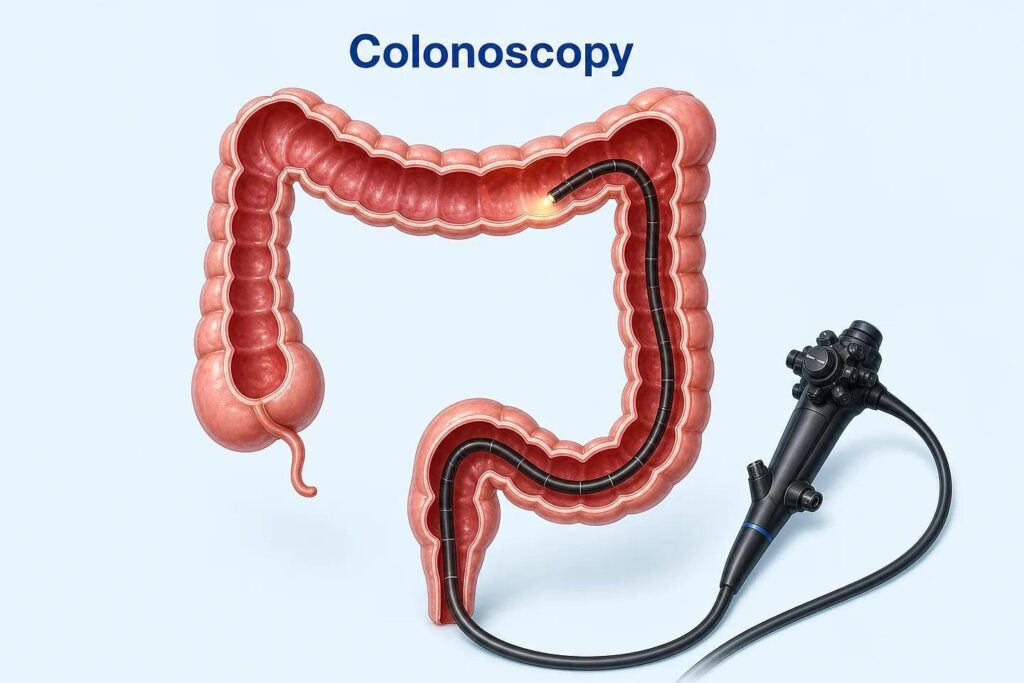
In simple terms, an upper endoscopy examines your upper digestive system (food pipe, stomach, and the start of the small intestine), entering through the mouth. A colonoscopy evaluates your lower digestive system (the entire large intestine and rectum), entering through the lower gastrointestinal tract.
Why Choosing the Right Specialist Matters in Hyderabad
Sedentary IT work routines across Hyderabad, low dietary fiber, irregular eating schedules, and heavy reliance on spicy or processed foods put continuous strain on the gastrointestinal tract. Furthermore, embarrassment or hesitation surrounding lower bowel evaluations often causes individuals to delay seeking care until symptoms like severe acidity or rectal bleeding become persistent.
What Does an Evaluation Involve? A comprehensive specialist evaluation involves taking a complete history of your digestive symptoms, conducting a gentle physical examination, determining whether upper or lower gut evaluation is necessary, and discussing diagnostic options and dietary guidance in a clear, supportive environment.
Relying on self-prescribed antacids or home remedies without knowing whether your discomfort stems from upper gastric irritation or lower bowel inflammation can prolong suffering. Consulting a dedicated gut health center in local areas like Saidabad and Saroor Nagar provides clarity and safe direction.
What is the Difference Between Endoscopy vs. Colonoscopy?
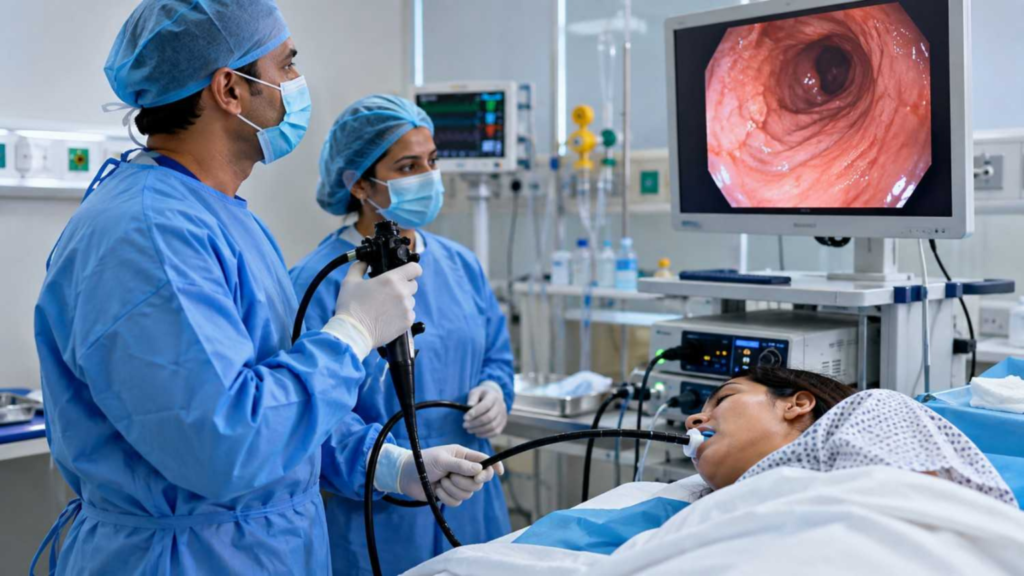
An Upper GI Endoscopy (Gastroscopy) uses a thin, flexible tube with a camera (endoscope) passed through the mouth to inspect the lining of the esophagus, stomach, and duodenum. A Colonoscopy uses a similar flexible scope inserted through the rectum to visually examine the mucosa of the large intestine (colon) and rectum.
Endoscopy vs. Colonoscopy: Key Differences
| Clinical Aspect | Upper GI Endoscopy | Colonoscopy |
|---|---|---|
| Access Point | Through the mouth | Through the rectum |
| Region Examined | Esophagus, stomach, and duodenum | Colon and rectum |
| Preparation | Usually 6–8 hours of fasting | Special liquid diet and bowel preparation |
| Procedure Duration | Approximately 15–20 minutes | Approximately 30–45 minutes |
| Common Symptoms Evaluated | Heartburn, acid reflux, and upper abdominal pain | Rectal bleeding, changes in bowel habits, and lower abdominal cramps |
Similarities Between Both Diagnostic Procedures
While their anatomical targets differ, both procedures share essential clinical objectives and safety protocols:
- Visual Diagnostic Accuracy: Both techniques allow direct high-definition visualization of internal mucosal linings, making them far more accurate than surface scans for detecting early inflammation, ulcers, or tissue changes.
- Tissue Sampling (Biopsy): Both scopes allow the specialist to take tiny, painless tissue samples (biopsies) if necessary for laboratory evaluation.
- Patient Comfort Protocols: Both procedures are performed under light sedation or local anesthesia to ensure you remain completely relaxed and comfortable throughout.
- Daycare Operations: Both evaluations are daycare procedures, allowing you to return home the same day after a short monitoring period.
Key Differences in Preparation and Execution
Understanding how each test is performed helps remove pre-procedure anxiety:
1. Diagnostic Focus
- Upper Endoscopy: Investigates persistent acid reflux (GERD), swallowing difficulties, unexplained nausea, stomach ulcers, or upper abdominal burning.
- Colonoscopy: Investigates persistent diarrhea, chronic constipation, bright red or dark rectal bleeding, unexplained anemia, or suspected colonic inflammation.
2. Patient Preparation
- Upper Endoscopy Prep: Requires minimal preparation—typically overnight or 6 to 8 hours of plain fasting so the stomach is empty.
- Colonoscopy Prep: Requires clearing the large intestine using prescribed laxative solutions and a clear liquid diet the day before, ensuring clean intestinal walls for clear visual inspection.
What CosmoGut Treats
At CosmoGut in Hyderabad, clinical care focuses on comprehensive gastrointestinal, proctological, and general surgical conditions:
- Gastroenterology & Gut Health: Clinical evaluation for chronic acid reflux (GERD), persistent constipation, irritable bowel syndrome (IBS), functional bloating, and upper/lower GI complaints.
- Proctology Care: Advanced laser procedures and medical care for piles (hemorrhoids), anal fissures (delicate tissue tears), complex anal fistulas, and pilonidal sinus disease.
- Gallbladder & Surgical Support: Diagnostic consultations and laparoscopic care for gallstones, abdominal hernias, and surgical gut conditions.
What to Expect at Your First Consultation
Visiting a gut specialist to discuss digestive symptoms is a calm, structured experience:
- Confidential History Review: Dr. Raghuteja reviews your primary symptoms, dietary patterns, fluid intake, and past medication use in a private setting.
- Physical Abdominal Check: A gentle examination checks for localized tenderness, gas buildup, or abdominal fullness.
- Diagnostic Recommendation: Your doctor determines whether an upper gut check, lower bowel check, or simple non-invasive medical care is most appropriate.
- Clear Preparation Guidance: If a procedure is indicated, you receive step-by-step instructions on dietary preparation and timing.
- Personalized Care Plan: You receive structured guidance on dietary fiber, fluid targets, and doctor-prescribed medical support.
Areas Served in Hyderabad
CosmoGut delivers focused proctological and digestive care to residents across key neighborhoods in South and East Hyderabad, including:
- Saidabad
- Saroor Nagar
- Santosh Nagar
- Kothapet
- Malakpet
- Dilsukhnagar
Is It Normal to Feel Anxious Before a Scope Examination?
Many patients ask, is it normal to feel nervous or apprehensive before an endoscopic or colonoscopic evaluation?
Feeling hesitant before a diagnostic procedure is completely normal. Modern gastrointestinal centers prioritize patient comfort, employing gentle sedation, trained medical staff, and private recovery areas to ensure every patient experiences a safe, stress-free visit.
When Should I Seek Immediate Emergency Medical Care?
While diagnostic evaluations are scheduled calmly, certain red-flag digestive or anorectal symptoms require immediate emergency medical attention:
- Continuous, heavy rectal bleeding or passing large dark blood clots.
- Severe, unbearable abdominal pain accompanied by persistent vomiting.
- Complete inability to swallow food or liquids.
- High fever accompanied by severe abdominal tenderness or swelling.
- Sudden, unexplained weight loss accompanied by severe fatigue.
Frequently Asked Questions
What is the main difference in Endoscopy vs. Colonoscopy?
An upper gastrointestinal endoscopy evaluates the upper digestive tract (food pipe, stomach, and duodenum) through the mouth, whereas a colonoscopy examines the lower digestive tract (colon and rectum) through the rectum.
Is a colonoscopy painful for patients in Hyderabad?
Both procedures are designed for maximum patient comfort. Gentle sedation or local numbing is used so that patients experience minimal discomfort during the examination.
Do I need different preparation for an endoscopy compared to a colonoscopy?
Yes. An upper endoscopy usually requires only 6 to 8 hours of fasting. A colonoscopy requires dietary adjustments and a liquid bowel preparation the day before to clear the colon.
How does Dr. Raghuteja decide which procedure I need at CosmoGut in Saidabad?
Dr. Raghuteja reviews your specific symptoms during consultation. Upper abdominal pain, heartburn, or nausea suggest an upper endoscopy, while bleeding, altered bowel habits, or lower abdominal pain point to a colonoscopy or anorectal check.
Can an endoscopy and colonoscopy be done at the same time?
Yes, when clinically indicated, specialists may perform both examinations during a single session under sedation to comprehensively evaluate both upper and lower gut health.
Where can I consult a gut health and proctology specialist near Saroor Nagar, Hyderabad?
CosmoGut Health Care is located in Saidabad, serving patients across Saroor Nagar, Santosh Nagar, and surrounding South Hyderabad areas with expert gastroenterology and proctology care.

Taking the Next Step Toward Digestive Health
Understanding the unique roles of upper and lower gut evaluations helps remove fear and empowers you to seek timely care. Booking a professional consultation is the safest path to clear diagnostic answers and long-term relief.
Looking for a proctologist or gut specialist in Hyderabad? Book a consultation with CosmoGut — call +91 92814 34315 or WhatsApp us to schedule an appointment with Dr. Raghuteja today.